Rent or Buy Heavy Equipment: How to Decide for Your Next Project
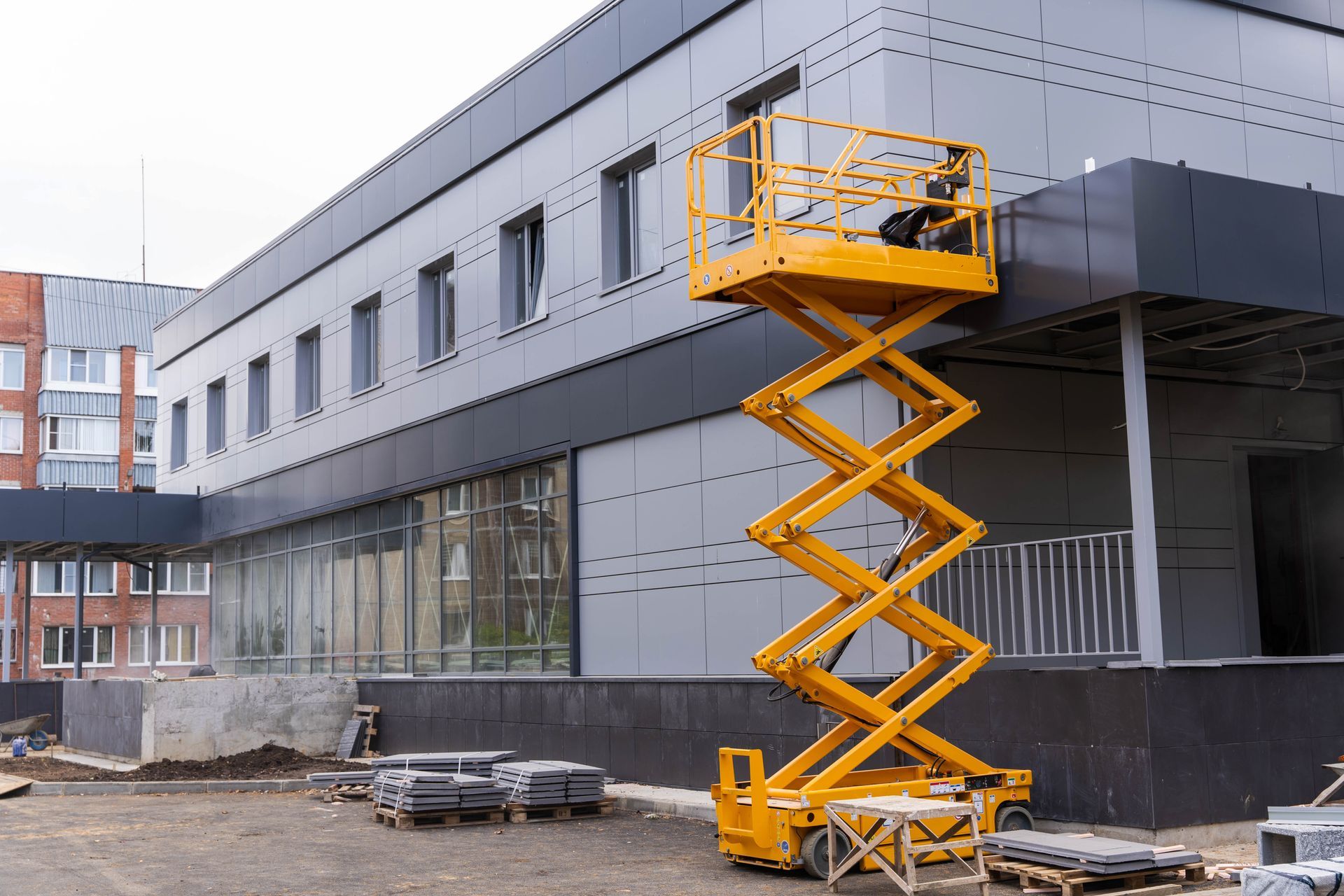
Choosing between renting and buying is one of the most important decisions for a project that needs heavy machinery. Heavy equpment rental can keep costs flexible, while ownership brings long-term commitments. This guide explains how to weigh both options against your next project. Call (425) 293-5309 to talk through your options.
What Owning Heavy Equipment Involves
Owning a machine means paying the full purchase price up front. Owners also cover maintenance, repairs, insurance, and storage. Equipment can sit idle between jobs, and that time still carries costs.
Depreciation adds another factor. A machine loses value over time, and that loss affects the total cost of ownership. Owners need to consider how long they will use the equipment before buying.
What Renting Heavy Equipment Offers
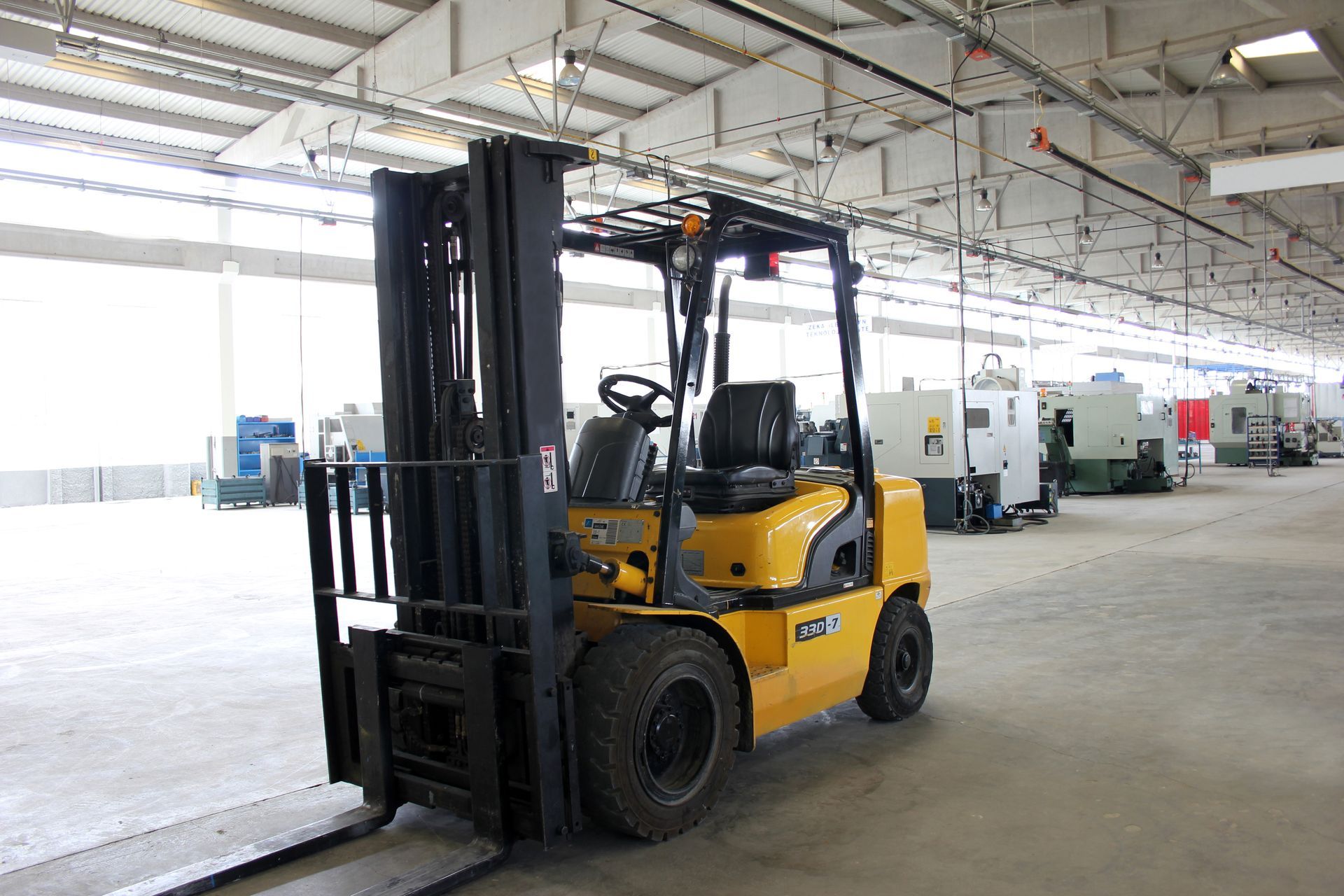
Renting spreads the expense across the length of the job. Contractors pay for the time they need the machine, not for years of ownership. Heavy equipment rental also lets businesses try different machines before committing to one.
Rental providers often handle routine maintenance and inspection. This shifts some of the upkeep burden away from the renter, though renters should still check the machine before use.
Key Differences at a Glance
Upfront Cost
Buying requires a large initial investment. Renting usually requires a smaller payment tied to the work period.
Maintenance and Storage
Owners handle maintenance and storage themselves. Renters rely on the provider for equipment condition, though they should still inspect it before use.
When Renting Makes More Sense
Renting usually fits short-term projects, specialized tasks, or work that needs a machine only a few times a year. Heavy equipment rental also suits contractors who want to grow without taking on fixed costs.
A one-time excavation job, a seasonal grading project, or a single lift for a building update all fit this pattern. Renting avoids paying for a machine that sits unused most of the year.
When Buying Makes More Sense
Buying can make sense when a machine is needed almost every week for many years. Owners who keep equipment busy often spread the purchase cost across many jobs.
Buying may also suit businesses with trained operators, storage space, and maintenance staff. Those resources reduce the hidden costs of owning.
Questions to Ask Before You Decide
How Often Will I Use This Machine?
Frequent use over several years favors ownership. Occasional use favors renting.
Do I Have Storage and Maintenance Support?
Owners need a safe place to store equipment and a plan for upkeep. Without these, ownership costs can rise quickly.
How to Run the Numbers
Start by listing the total rental cost for the project, including delivery and extra days. Then compare that figure with the purchase price, plus maintenance, insurance, and storage over the same period.
A simple comparison can reveal the better option. Use the same time frame for both calculations so the results are fair.
Renting Versus Buying Over Time
The right choice can change as a business grows. A contractor who rents during the first few years may later buy once steady work justifies the cost. Reviewing the decision each year keeps the plan aligned with actual use.
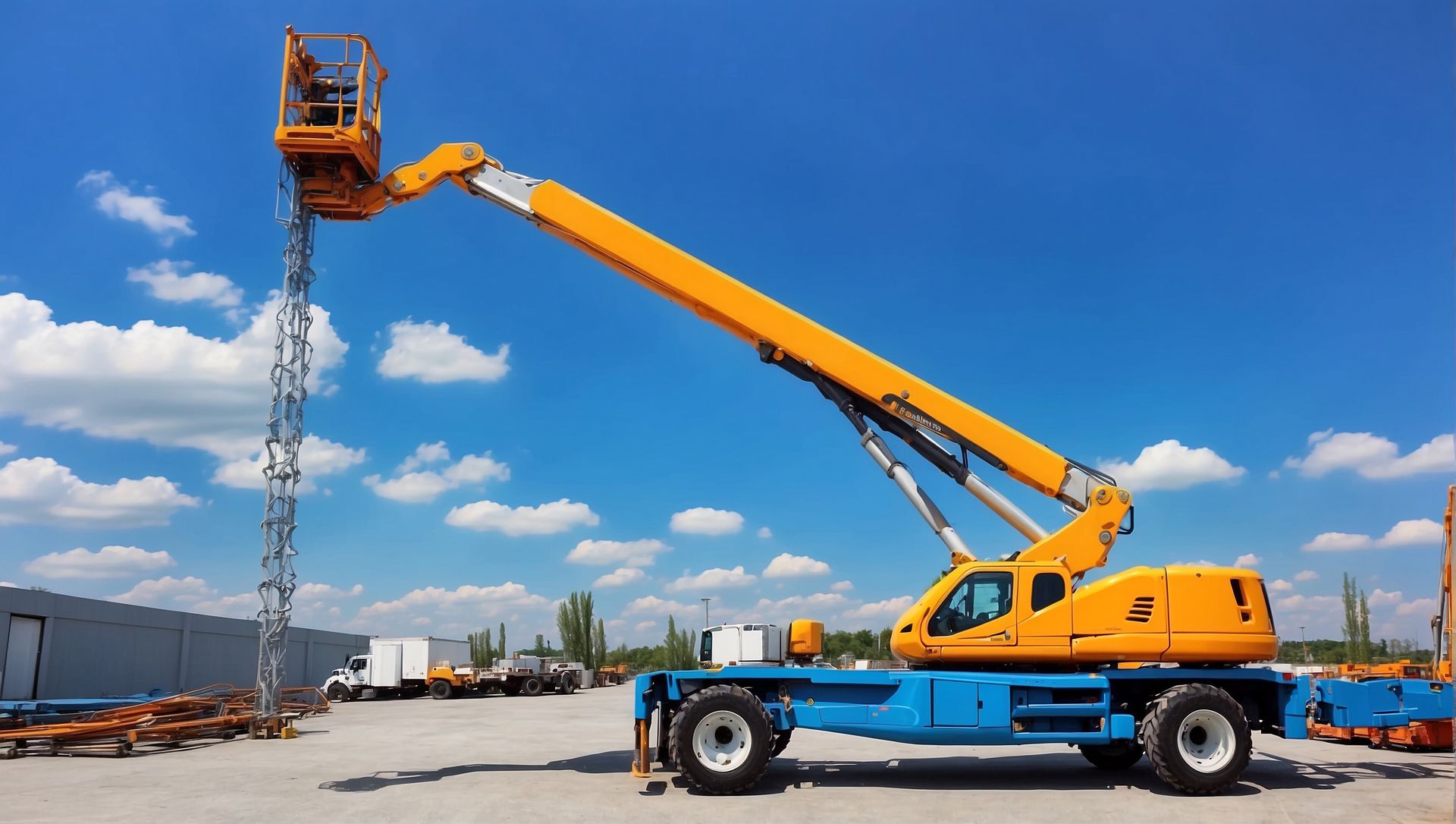
Heavy equipment rental also helps when a project needs a machine that the business does not use every day. A specialized lift or a large excavator may only be needed for one season, and renting avoids locking capital into that machine.
Ownership can pay off when the same machine supports a steady flow of jobs. In that case, the purchase cost is spread across many projects, and the machine becomes an asset that supports bidding and scheduling.
Signs Renting Fits Your Business
Work Comes in Bursts
Seasonal or project-based work often suits renting, because the machine is needed only during peak periods.
You Need Different Machines
Renting lets you use the right machine for each job without maintaining a fleet.
Tips for Making the Right Choice
Consider the full project timeline before you decide. Check how many hours or days the machine will work each month, and think about future jobs that may need similar equipment.
Ask a rental provider for a written quote so you can compare it with your ownership estimate. A clear quote makes the decision easier to justify.
Before signing any agreement, compare the terms side by side. Look at the rental period, the return conditions, and who handles delivery and routine checks. These details can change the outcome of the decision as much as the headline rate.
Deciding for Your Next Project
Renting works well for short, specialized, or infrequent work, while buying suits steady, long-term use. The right answer depends on your schedule, budget, and storage capacity.
Heavy equipment rental from Sound Equipment Rentals & Sales can help you test a machine before you commit. Call (425) 293-5309 to discuss your project, or reach out through our contact page. You can also browse the equipment we rent. You can find us listed on Google Maps or business details and location information.